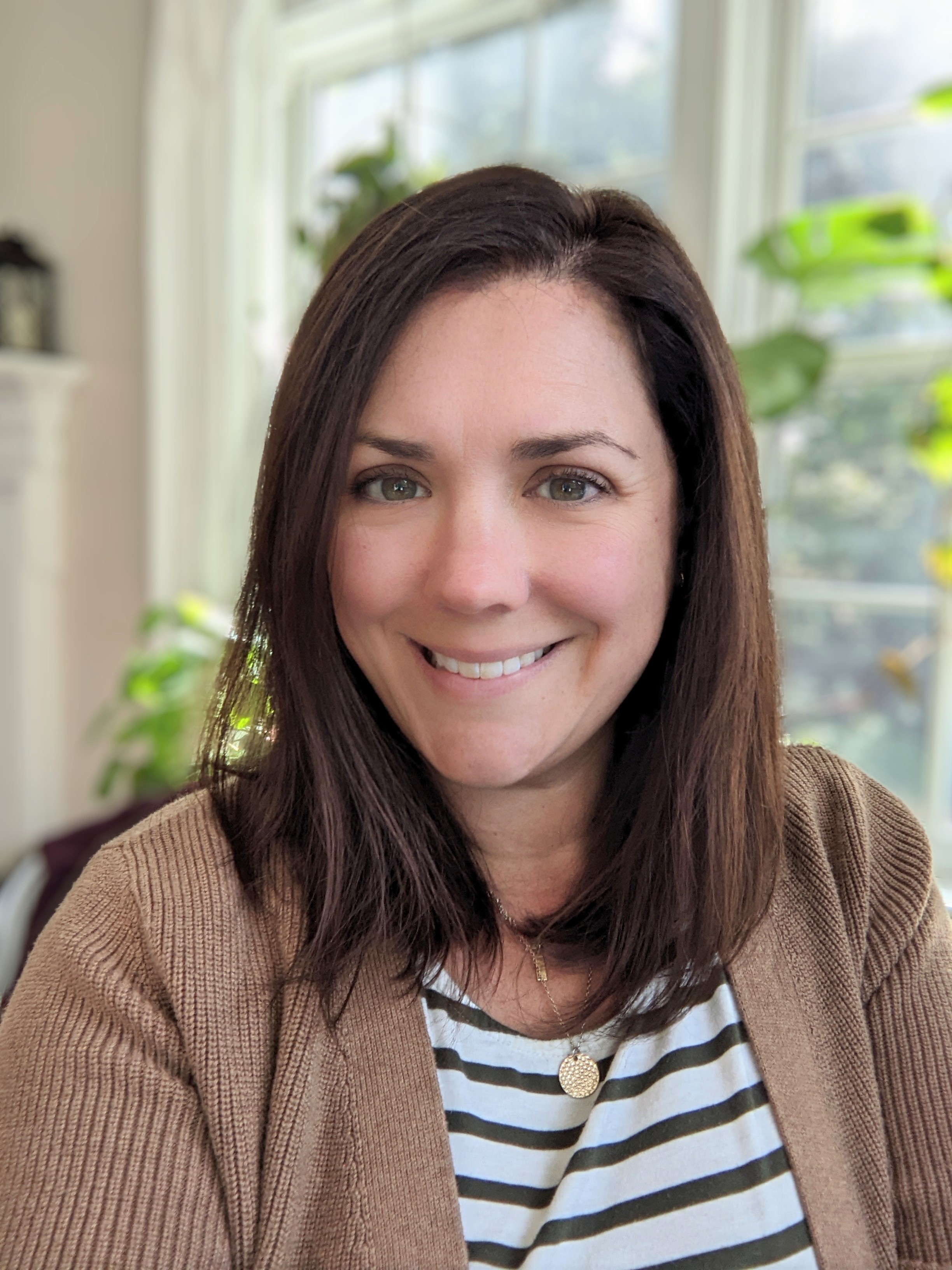

Stephanie Kenney
At 44 years old, my life was full and fast-paced. With nearly 20 years of experience as a leader in corporate philanthropy, I was used to being the one driving impact and managing projects. That same high-energy, “get-it-done” mindset defined my life at home; my husband and I had just navigated a whole-house renovation and returned from a trip to celebrate our 20th anniversary. I was a person who made things happen for my family and my community, never imagining that a sudden medical crisis would soon force me to apply that same drive and advocacy to my own survival.
Everything changed in October 2024. After returning from our anniversary trip, I contracted COVID-19. While the virus passed, a persistent cough remained. I went to urgent care repeatedly, trying to avoid getting seriously ill. Despite two X-rays and multiple rounds of antibiotics for what looked like pneumonia, I wasn't getting better. By November, a sharp pain in my calf – which I correctly identified as a deep vein thrombosis (DVT) – added to the mystery. The breaking point came during a Saturday work event. I spent the entire day coughing, and that evening, I coughed so violently that I broke a rib. The pain was indescribable, and I could hardly take a breath. The next morning, I asked my husband to take me to the ER, simply hoping for stronger pain medication to get through the pneumonia.
The ER doctor admitted me immediately, but I still assumed it was just a severe case of pneumonia. I felt completely blindsided when the tests revealed a different reality. A biopsy of my liver showed that I had non-small cell lung cancer that had already metastasized to tumors on my ovaries and lesions on my liver and spine. After just 2 months of coughing, how could I already be at Stage 4?
As a non-smoker with no environmental risks, I was not the “typical” patient. I immediately moved my care to the Dana-Farber Cancer Institute, a hospital specializing in innovative treatments. While waiting for the results of a liquid biopsy to check for genetic mutations, I was started on emergency chemotherapy. I spent Christmas Day 2024 in bed – dehydrated and incredibly sick. However, while sitting in that treatment chair, I received the call that would change everything: I had ALK-positive lung cancer. In the world of lung cancer, this is a rare mutation that is highly responsive to targeted therapy.
I transitioned to a clinical trial for a next-generation targeted therapy – a tyrosine kinase inhibitor (TKI), a pill taken once a day with very few side effects. Within days, I began to feel like myself again. I had been reliant on oxygen full-time, but during a lunch outing with my husband, I realized I had accidentally left the tank off and felt completely fine. That was the moment I knew I was going to get better.
In those early, overwhelming days, I turned to what I knew best and connected with non-profit organizations to educate myself and my loved ones about my diagnosis. I found a massive benefit and comfort in connecting with other patients and caregivers who understood the unique weight of this journey.
Today, I have seen an 89% reduction in my cancer – a miracle that allows me to feel fabulous and live without being held back. My philosophy is simple: I have an incurable cancer that we will continue to treat as a chronic disease not fear like a terminal illness.
I share my story because I want the person who has just been blindsided by a Stage 4 diagnosis to see my journey and feel hopeful instead of fearful. I am dedicated to driving the awareness necessary to fuel the innovation that keeps us alive, because when we shine a light on this disease, we pave the way for the next life-saving breakthrough.