
Steve Inzerello
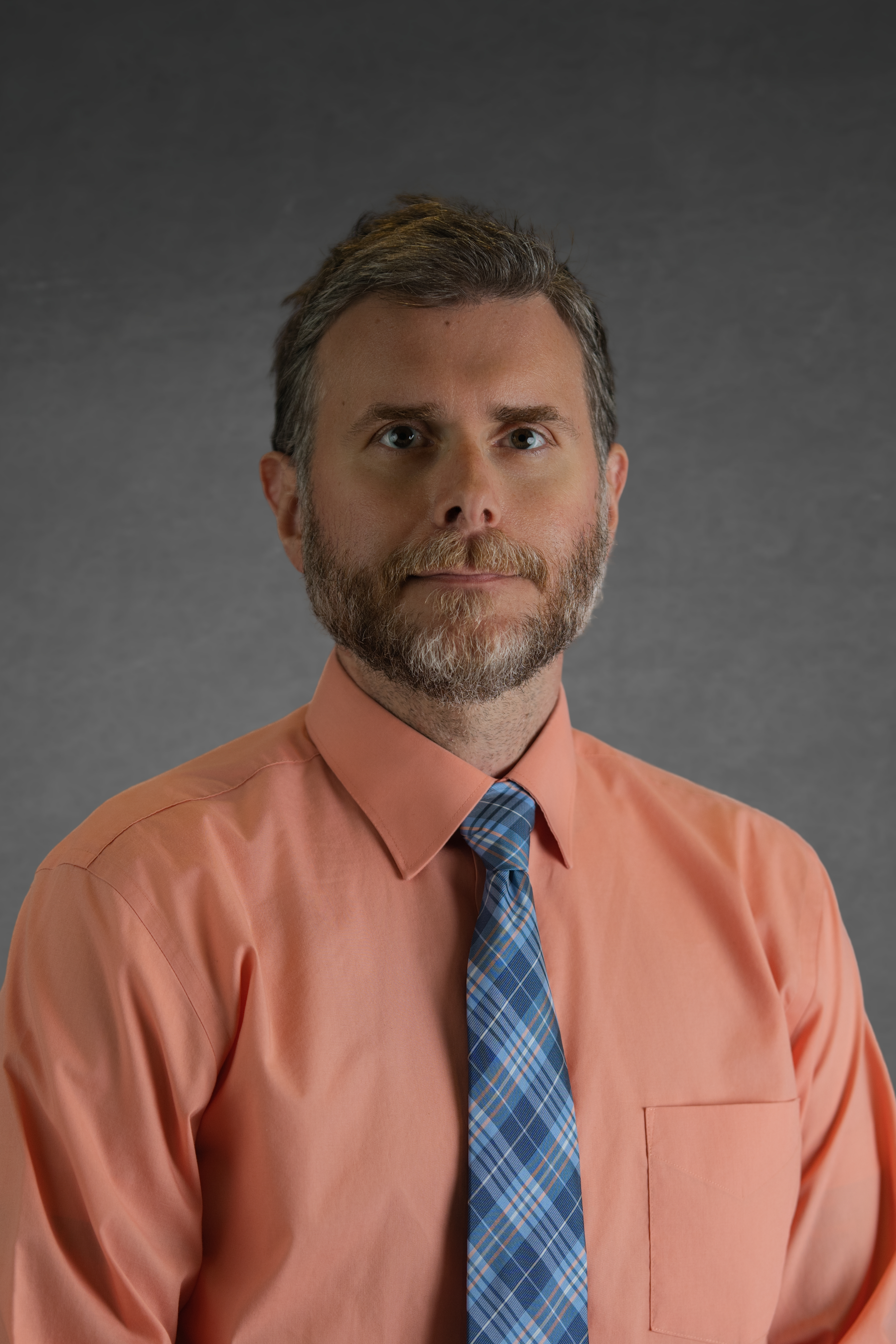
At 47 years old, I’ve spent my career navigating the complexities of the healthcare industry, currently serving as the Senior Director of Provider Experience for a health/medical insurance payer, focused on Medicaid. I’m used to managing intricate networks and ensuring systems work for people. But, in late 2025, I became a patient in the very system I help lead when I was diagnosed with Stage 3A non-small cell lung cancer.
The diagnosis required a high-stakes roadmap: chemotherapy, major surgery, and then more chemotherapy. I started neoadjuvant chemoimmunotherapy in November 2025, but my body threw the first clinical curveball early. I had a severe hypersensitivity reaction to the immunotherapy drug, pembrolizumab, which landed me in the hospital for a week. We had to pivot immediately, holding the immunotherapy and pushing forward with a total of three cycles of chemotherapy.
By January 2026, a positron emission tomography–computed tomography (PET-CT) scan showed an “excellent response”. On February 9, I underwent a left pneumonectomy, the total removal of my left lung, along with a mediastinal lymph node dissection. When the pathology report came back, it delivered a major clinical win: a major pathologic response. The chemo had been so effective that less than 10% of the tumor was still viable, shrinking from a large T4 mass to a tiny T1a remnant.
Even with that win, the data revealed a new complexity. The surgeons found cancer in my N2 lymph nodes, the center of the chest, that hadn't appeared on earlier scans. However, because the surgery achieved an R0 resection (completely clean margins), my oncology team and I decided to shift the strategy. We traded the “sledgehammer” of more chemotherapy for a targeted “security guard” approach with immunotherapy.
Today, I’m managing life with one lung and a new 12-month mission. Because of my previous reaction, we switched to durvalumab, which uses a different mechanism to target the cancer. I recently received my second infusion. The side effects, including coughing, shortness of breath, and general soreness, are present but manageable. I’m applying the same vigilance I use in my professional life to monitor my own health metrics.
Living with a 68% 5-year survival rate and a 20% recurrence risk means the “fire” is out, but I’m staying on the scene for the next year to ensure no embers spark back up. My focus remains on my wife and our three kids, maintaining a resilient mindset through every cycle. I’m not just navigating a treatment plan; I’m managing a recovery, one infusion at a time.